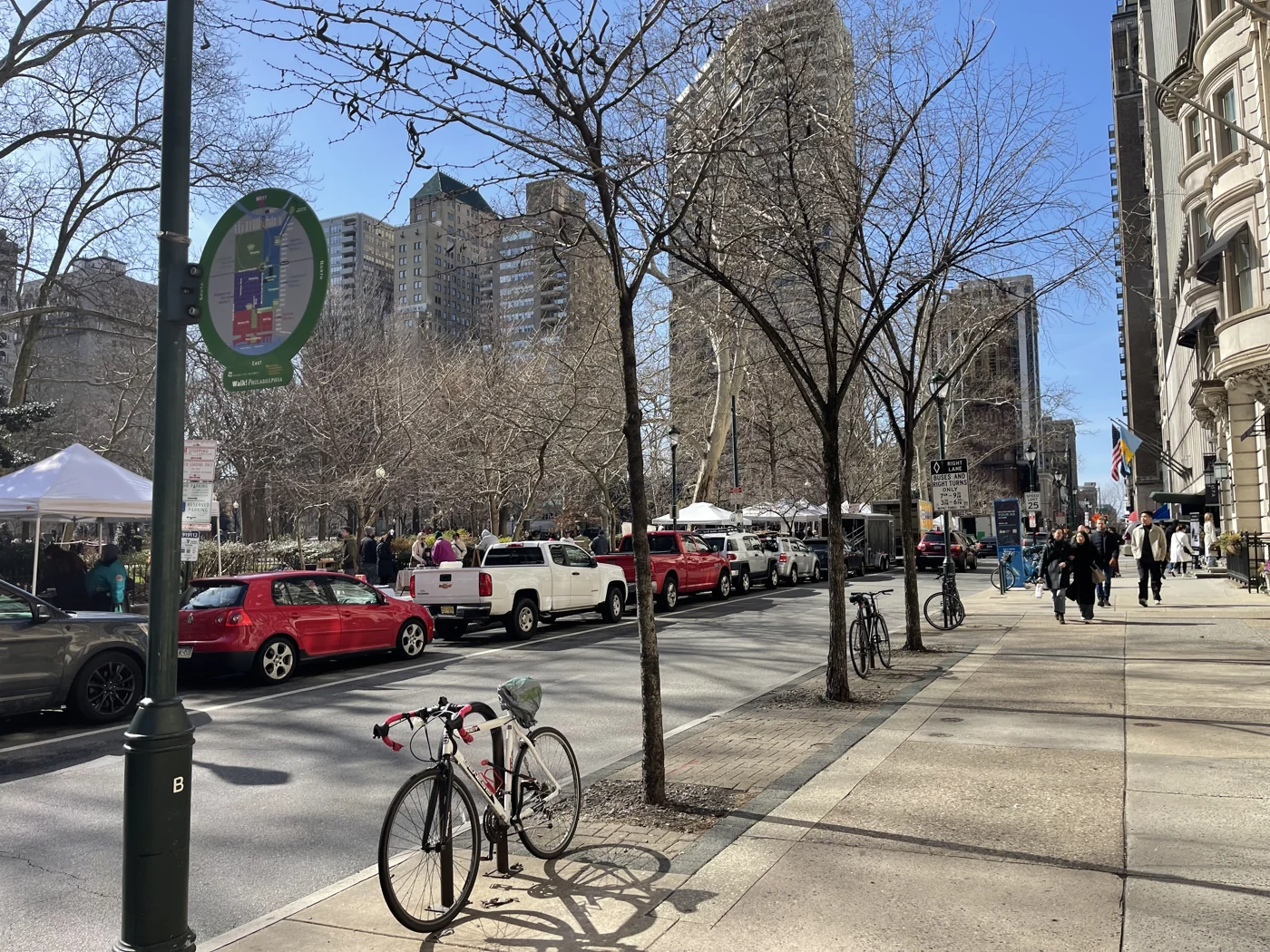
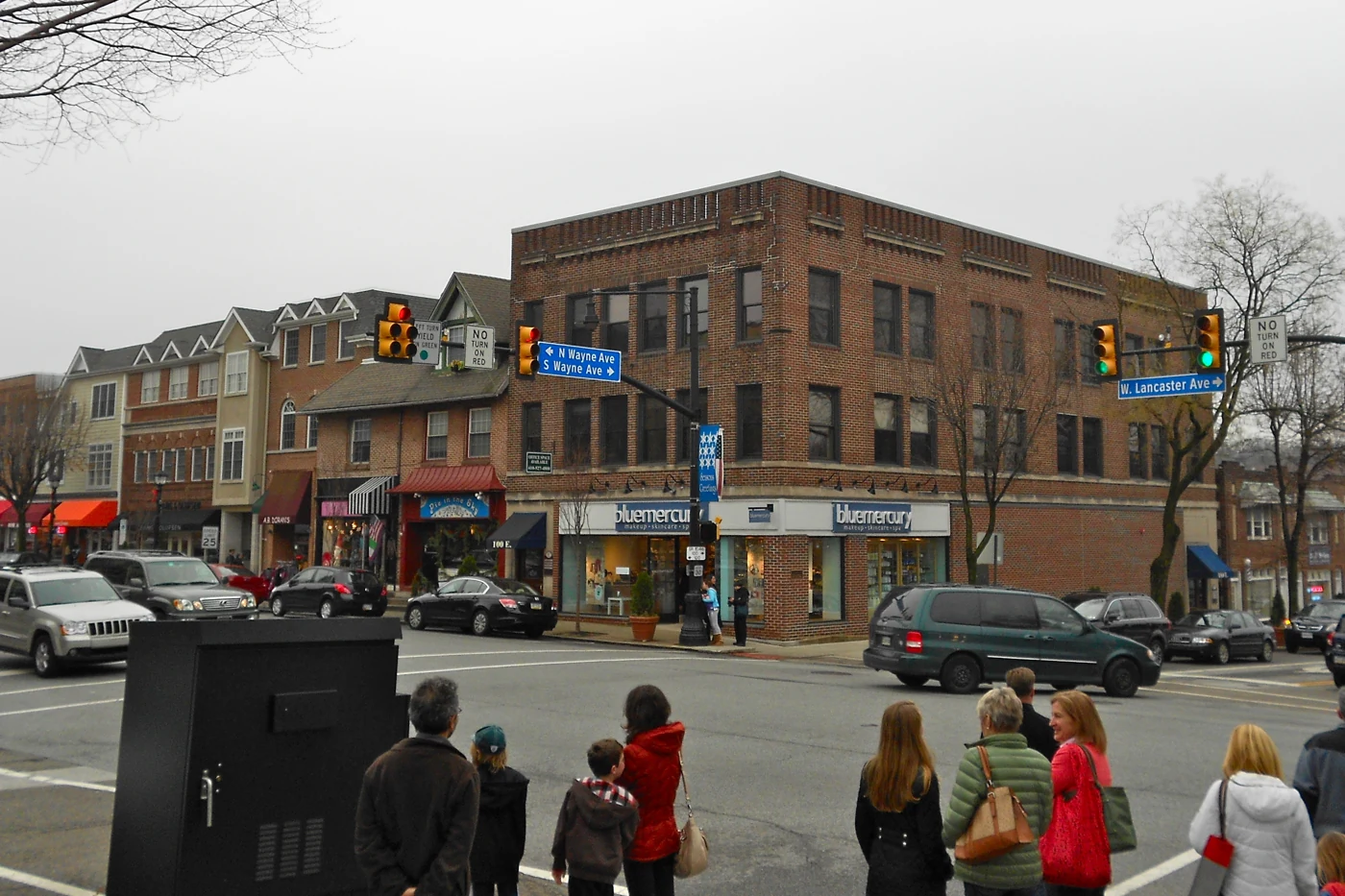
The finishes are easy to compare. The harder questions sit in the building documents: what you own, which costs you share, and what could change after closing. Use the same checklist for each condo on your shortlist so a beautiful interior does not distract from the practical details.
Put the parking right in writing
Ask whether the space is owned with the unit, separately deeded, assigned by the association or rented. Match the space number, transfer terms, ongoing charge and any EV-charging permission to the relevant deed, declaration, lease or association record. Treat a nearby garage and a residential street-parking permit as separate arrangements. A city residential permit does not reserve or guarantee a space.
Read the association package as a whole
For a resale, request the declaration, bylaws, rules and resale certificate. Pennsylvania's condominium resale disclosures address items such as assessments, reserves, the operating budget, planned capital spending, litigation and insurance. Also request recent meeting minutes and relevant engineering or reserve reports when available. Ask your transaction team to confirm the documents and review deadlines that apply to this sale.
Compare the full ownership budget
Create one line for each recurring cost: mortgage payment, property tax, association fee, unit insurance, utilities, parking and any current special assessment. Ask what the fee includes, which projects are planned, how they are funded and whether an assessment has been approved. Do not assume a lower monthly association fee means a lower long-term cost.
Check financing and insurance early
Give the lender the building name and exact unit before relying on a financing plan. A borrower preapproval does not settle the lender's review of the condominium project. Ask an insurance professional to explain how the building's master policy and your proposed unit policy fit together, including deductibles, interior coverage and loss-assessment protection.
Separate the unit inspection from building review
An appraisal and a home inspection serve different purposes. Agree on the inspection scope and access before booking. Ask separately about roof, facade, elevator, garage and other shared-system reports; identify unresolved work and who is responsible for it. Use Philadelphia's Atlas records to investigate permits, violations and zoning history, then ask the appropriate professional about anything unclear.
Verify the tax record for this exact property
Check the exact address, unit and OPA account in the City's property search, then review the bill and balance through the Philadelphia Tax Center. Ask about any exemption or abatement shown and verify its terms and remaining period. Build your budget from current records and a property-specific estimate rather than assuming the seller's payment will be your future bill.
Your property checklist
Comparing two Philadelphia condos? Bring the addresses and your priorities to a conversation with Serena.
- Parking documents and space number match.
- Association documents and open questions are organized.
- Full ownership costs and planned assessments are listed.
- Lender and insurance questions have written answers.
- Inspection scope, building reports and public records are reviewed.
- Review and financing deadlines are confirmed with the transaction team.
Serena Chen · Published 2026-10-21. Confirm property details and arrangements for your situation.
Check the original sources
- Pennsylvania General Assembly — 68 Pa.C.S. §3407
- Fannie Mae — What to know when buying a condo
- Fannie Mae — Condo, Co-Op and PUD Eligibility
- Fannie Mae — Special title insurance coverage considerations
- Philadelphia Code §12-2709 — Residential parking permits
- Consumer Financial Protection Bureau — Schedule a home inspection
- City of Philadelphia — Property history search
- City of Philadelphia — Find property information
- City of Philadelphia — Search property tax bills
Sources checked 2026-10-21. Use the current authority for address-specific questions.